admin
You’ve Tried Everything — But Your Hair Still Frizzes
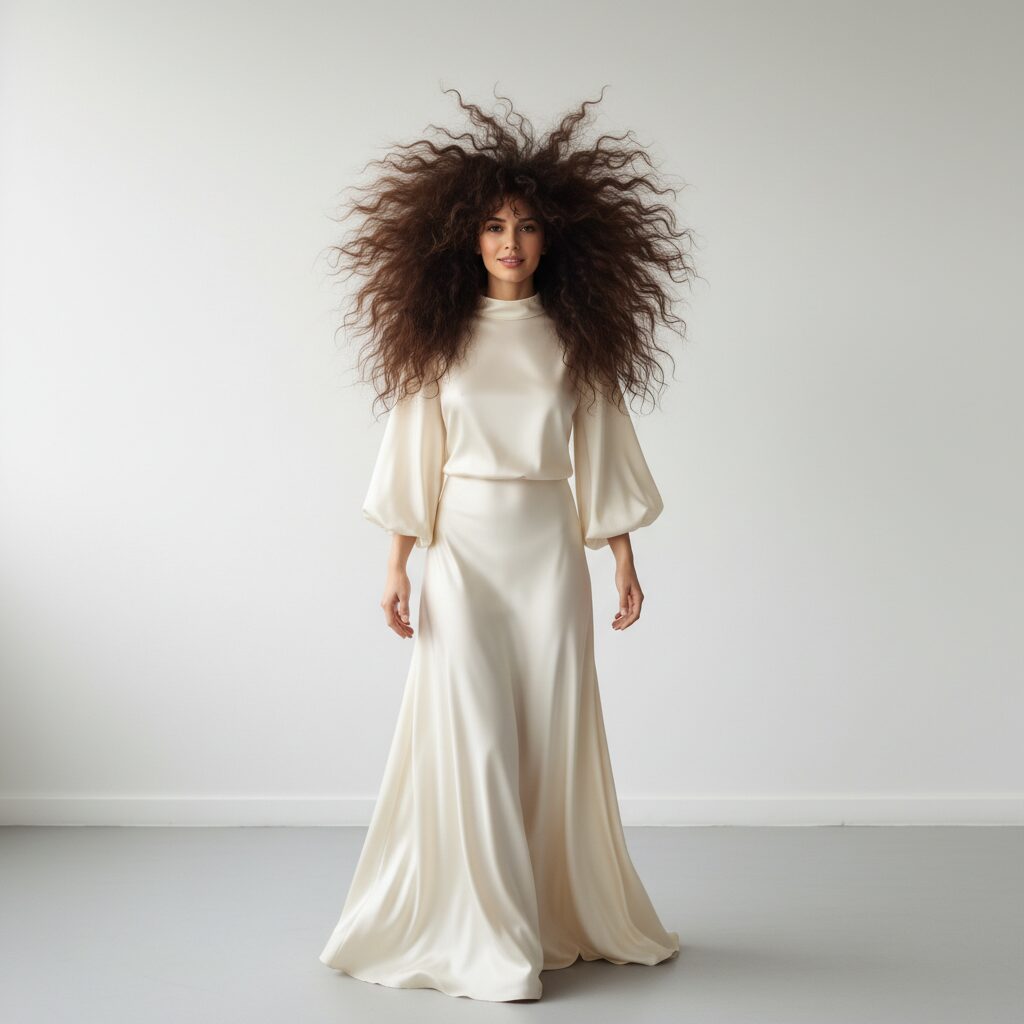
You use conditioner. You air-dry instead of blow-drying. You avoid humidity. And yet, the moment you step outside, your hair puffs up like a cloud. Sound familiar?
The truth is, frizz isn’t a random problem — it has a very specific cause. And once you understand it, you can actually fix it.
What Causes Frizzy Hair?
Frizz happens when the outer layer of your hair shaft — called the cuticle — lifts up instead of lying flat. When those cuticle scales are raised, your hair absorbs moisture from the air in an uncontrolled way, which causes it to swell and frizz.
The cuticle lifts for several reasons:
- Dryness — dry hair desperately absorbs moisture from the air
- Damage — heat styling, chemical treatments, and bleaching erode the cuticle
- Wrong products — sulfate shampoos strip natural oils and roughen the cuticle
- Friction — towel-drying with a terry cloth towel roughs up the cuticle layer
- Your hair type — wavy and curly hair naturally has a more open cuticle structure
The Science Behind It: Hydrogen Bonds
Here’s the part most people don’t know: your hair is actually a bundle of keratin protein chains held together by hydrogen bonds. Humidity breaks those bonds. That’s why your perfectly straight blowout turns wavy the moment it rains — the bonds are literally reforming in a different shape.
This is also why treatments like keratin treatments and bond-building treatments (like Olaplex) work so well. They don’t just coat the hair — they rebuild the internal structure.
The #1 Mistake: Rubbing Your Hair With a Towel
After washing, most people grab a regular bath towel and rub their hair dry. This is one of the biggest contributors to frizz. The friction from terry cloth lifts the cuticle and creates micro-tears in the hair fiber.
The fix: Use a microfiber towel or an old cotton T-shirt. Scrunch gently — never rub. This one change alone makes a noticeable difference.
The Right Product Routine for Frizzy Hair
Getting the product order right matters as much as choosing the right products. Here’s the sequence our stylists at Haarvisie recommend:
- Sulfate-free shampoo — preserves natural moisture and keeps the cuticle calm
- Deep conditioner — 2-3 minutes on mid-lengths and ends
- Leave-in conditioner — applied on damp hair to seal the cuticle
- Anti-frizz serum or oil — a few drops of argan or marula oil on top to create a protective barrier
- Hold product (optional) — a light cream or mousse if you want definition
Pro tip: Apply leave-in and serum while your hair is still dripping wet — not just damp. The water acts as a carrier that helps the product distribute evenly.
Heat Styling: The Big Trade-Off
Heat tools can temporarily smooth frizz — but if used incorrectly, they make the underlying problem worse over time. Always use a heat protectant before any heat styling. Choose the lowest effective temperature (most people use way too much heat). And give your hair 1-2 heat-free days per week to recover.
Professional Treatments Worth Considering
If home care isn’t cutting it, professional salon treatments can make a dramatic difference:
- Keratin treatment — smooths and seals the cuticle for 3-6 months, works on all hair types
- Bond-building treatments — rebuilds internal hair structure, ideal for chemically treated or bleached hair
- Protein treatment — strengthens weak, over-moisturized hair that tends to frizz
At Kapsalon Haarvisie in Rijswijk and Wateringen, our stylists analyze your hair type and damage level before recommending the right treatment. Not every frizzy hair needs the same solution.
Quick Summary: How to Fix Frizzy Hair
- ✅ Switch to a sulfate-free shampoo
- ✅ Use a microfiber towel — never rub
- ✅ Apply leave-in on dripping wet hair
- ✅ Always use heat protectant
- ✅ Try a keratin or bond-building treatment for lasting results
Frizz is manageable. With the right routine and the right support, you can have smooth, hydrated hair — even on humid days.
Want personalized advice for your specific hair type? Book a consultation at Haarvisie — we’ll find the right approach for your hair.